May 3, 2026
The End of Spirit Airlines
Spirit Airlines is winding down after 34 years. A failed bailout, a fuel shock from the Iran conflict, and a model that finally ran out of room ended the yellow planes for good.
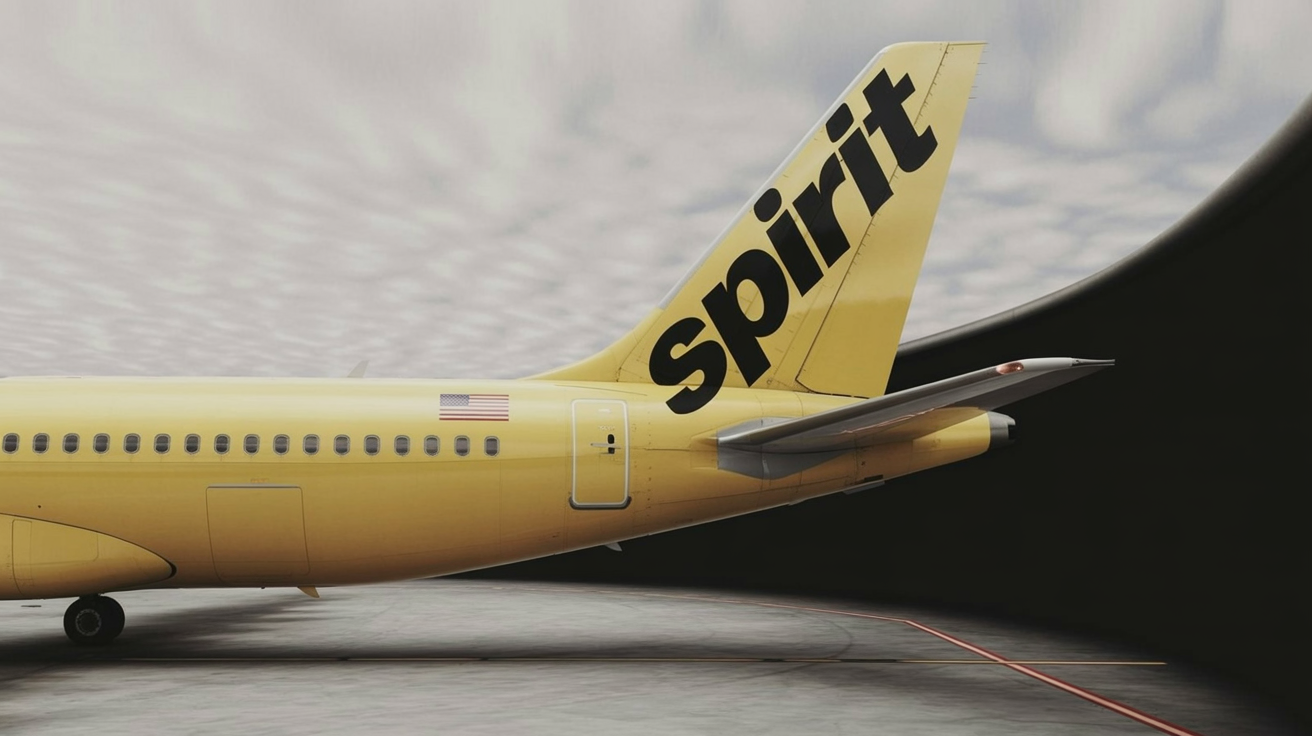
Spirit Airlines is winding down after 34 years. A failed bailout, a fuel shock from the Iran conflict, and a model that finally ran out of room ended the yellow planes for good.
Spirit Airlines has ceased operations. After 34 years as one of the most aggressive ultra-low-cost carriers in the United States, the airline announced an orderly wind-down on May 2, 2026. All flights are canceled. The company, operating under Chapter 11 protection since August 2025, ran out of cash and options when a potential $500 million government bailout fell through.
This is not the first time Spirit faced bankruptcy. It filed in November 2024, emerged in March 2025 after shedding significant debt, and then filed again in August 2025. The second filing came just months after restructuring, as losses mounted and the business model showed deeper cracks. By the time fuel prices spiked due to the conflict involving Iran, Spirit had no margin left.
Spirit built its reputation on rock-bottom base fares and a long list of add-on fees for bags, seat selection, and even water. This approach forced competitors to match prices on many routes and expanded air travel access for price-sensitive passengers. For years it grew aggressively, adding aircraft and routes while maintaining some of the lowest unit costs in the industry.
The problems started well before recent events. Like many airlines, Spirit absorbed heavy losses during the pandemic. Post-COVID recovery brought higher operating costs, labor shortages, and supply chain issues for aircraft. A proposed merger with JetBlue collapsed in 2024 under antitrust scrutiny. Without that combination, Spirit remained independent but exposed.
By late 2024 the airline had accumulated more than $2.5 billion in losses since 2020. Debt piled up. The first bankruptcy provided breathing room through debt reduction and fleet adjustments. The second attempt aimed to shrink further, cut unprofitable routes, and renegotiate leases. Plans called for emerging leaner by spring or summer 2026. Fuel costs then undermined those assumptions.
Jet fuel prices surged following disruptions tied to the Iran conflict. Fuel is one of the largest expenses for any airline, and Spirit’s model left little room to absorb shocks. Talks with the Trump administration for emergency support reached an advanced stage but ultimately failed. Without additional funding, the carrier could not continue.
The shutdown strands passengers and affects roughly 17,000 employees. Refunds for credit or debit card purchases should process automatically, though those using points, vouchers, or third-party bookings face more uncertainty through the bankruptcy process. The Department of Transportation has outlined steps for affected travelers.
Spirit’s exit removes capacity from the domestic market, particularly on leisure-heavy routes in Florida, the Caribbean, and Latin America. Other low-cost carriers such as Frontier, Allegiant, and Southwest will likely absorb some demand, but the ultra-low-fare segment loses a major player that disciplined pricing across the board.
Legacy carriers may see less pressure on certain routes, potentially allowing modest fare increases in the short term. Aircraft from Spirit’s fleet, mostly Airbus A320 family jets, will enter the secondary market or be redeployed by lessors, which could ease some supply constraints elsewhere.
Broader lessons stand out. The ultra-low-cost model relies on high aircraft utilization, ancillary revenue, and fuel efficiency. When utilization drops or costs rise sharply, the formula breaks quickly. Repeated bankruptcies highlight how thin the margins had become. Consolidation pressures in the U.S. airline industry have been building for years; this outcome adds to that trend.
Spirit was never everyone’s favorite airline. Its no-frills service drew frequent complaints about cramped seats, delays, and customer service. Yet it democratized air travel for millions who otherwise might not have flown. Its disappearance marks the end of a specific chapter in American aviation, one defined by aggressive pricing and relentless cost control.
The yellow planes will disappear from the skies. What remains is a reminder that even disruptive business models must adapt to sustained economic pressure, or they eventually run out of runway.
Comments
Loading comments…