May 2, 2026
How High Could the VIX Climb if Oil Hits $200 in a Prolonged Iran War
The VIX sits under 20 in early May 2026, but a prolonged US-Iran war that pushes crude toward $200 a barrel could send volatility back to crisis-era levels.
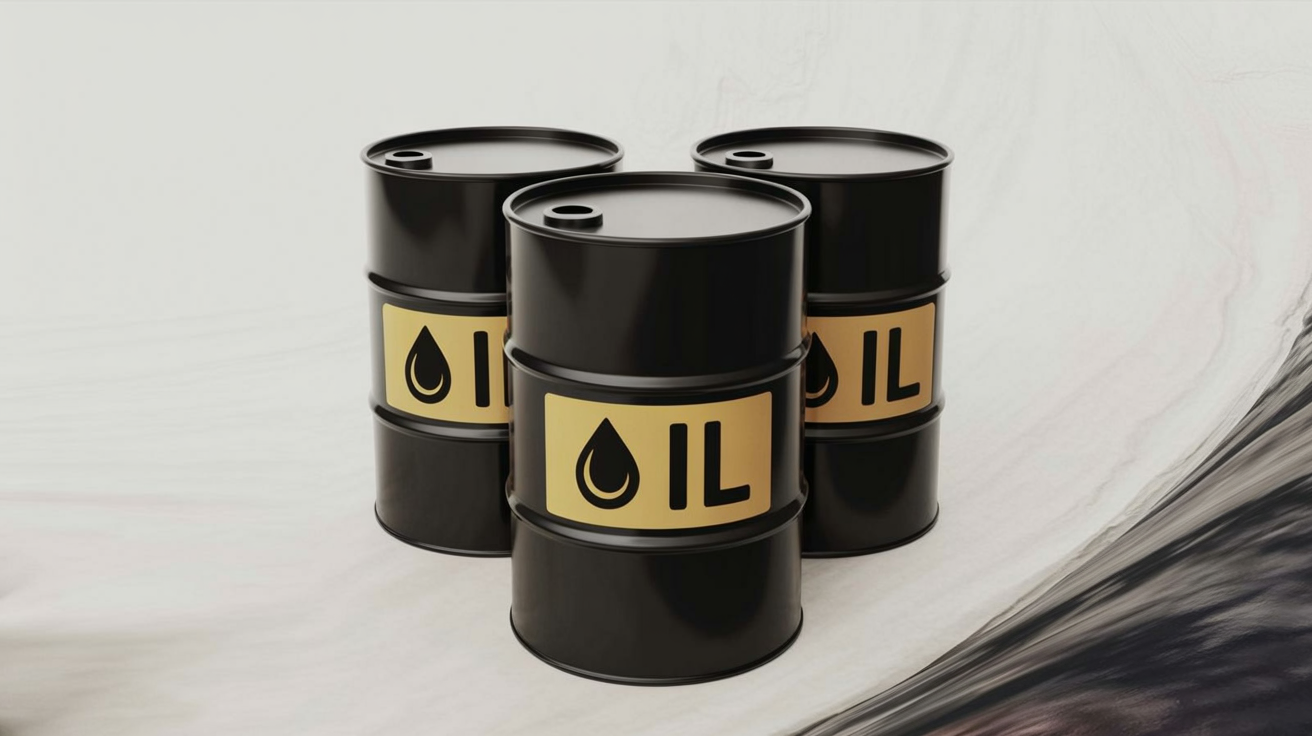
The VIX sits under 20 in early May 2026, but a prolonged US-Iran war that pushes crude toward $200 a barrel could send volatility back to crisis-era levels.
The VIX sits under 20 in early May 2026. Markets have calmed after the initial flare-up in the US-Iran conflict earlier this year. Oil prices remain elevated but have pulled back from their March peaks.
That calm could vanish quickly if the conflict turns into a drawn-out war and crude oil climbs toward $200 per barrel.
The VIX measures expected volatility in the S&P 500 over the next 30 days. It rises when investors anticipate larger price swings and greater uncertainty. In normal times it trades between 12 and 20. During major crises it has regularly exceeded 40 and sometimes 80.
A sustained move to $200 oil would qualify as a major crisis. The Strait of Hormuz handles about one fifth of global oil supply. A prolonged closure or repeated attacks on infrastructure there would create a genuine supply shock. Prices at that level would feed directly into higher inflation, squeeze corporate profits outside the energy sector, and raise the odds of a recession.
The 1973 oil embargo triggered a brutal bear market. The 1990 Gulf War saw sharp but shorter-lived volatility.
In the current environment an oil price doubling to $200 would combine geopolitical fear with clear economic damage.
Initial reaction would likely drive the VIX to the 40 to 55 range within days or weeks as markets price in the shock.
If the war drags on for months with no clear resolution sustained high oil prices would start to show up in weak economic data. Consumer spending would suffer. Companies would issue pessimistic guidance. Central banks would face the difficult choice between fighting inflation and supporting growth. That combination usually produces elevated volatility for an extended period.
Under those conditions the VIX could trade between 25 and 35 for weeks.
However, markets have shown resilience to Middle East flare-ups in the past. Many past oil spikes proved temporary and prices eventually fell as new supply came online or demand adjusted. A genuine prolonged disruption at this scale would be different. The economic pain would be more widespread and the uncertainty harder to resolve.
Investors watching this scenario should consider what it means for their portfolios. High VIX levels create expensive but potentially valuable hedging opportunities. They also signal that sharp moves in either direction become more likely.
The exact peak is impossible to predict. Volatility tends to overshoot in the heat of a crisis and then gradually decline as the situation clarifies. Still $200 oil in a long-running Iran war points toward a period of significantly higher market swings than anything seen so far since 2020.
Comments
Loading comments…